Identify what is on the facade before choosing a method
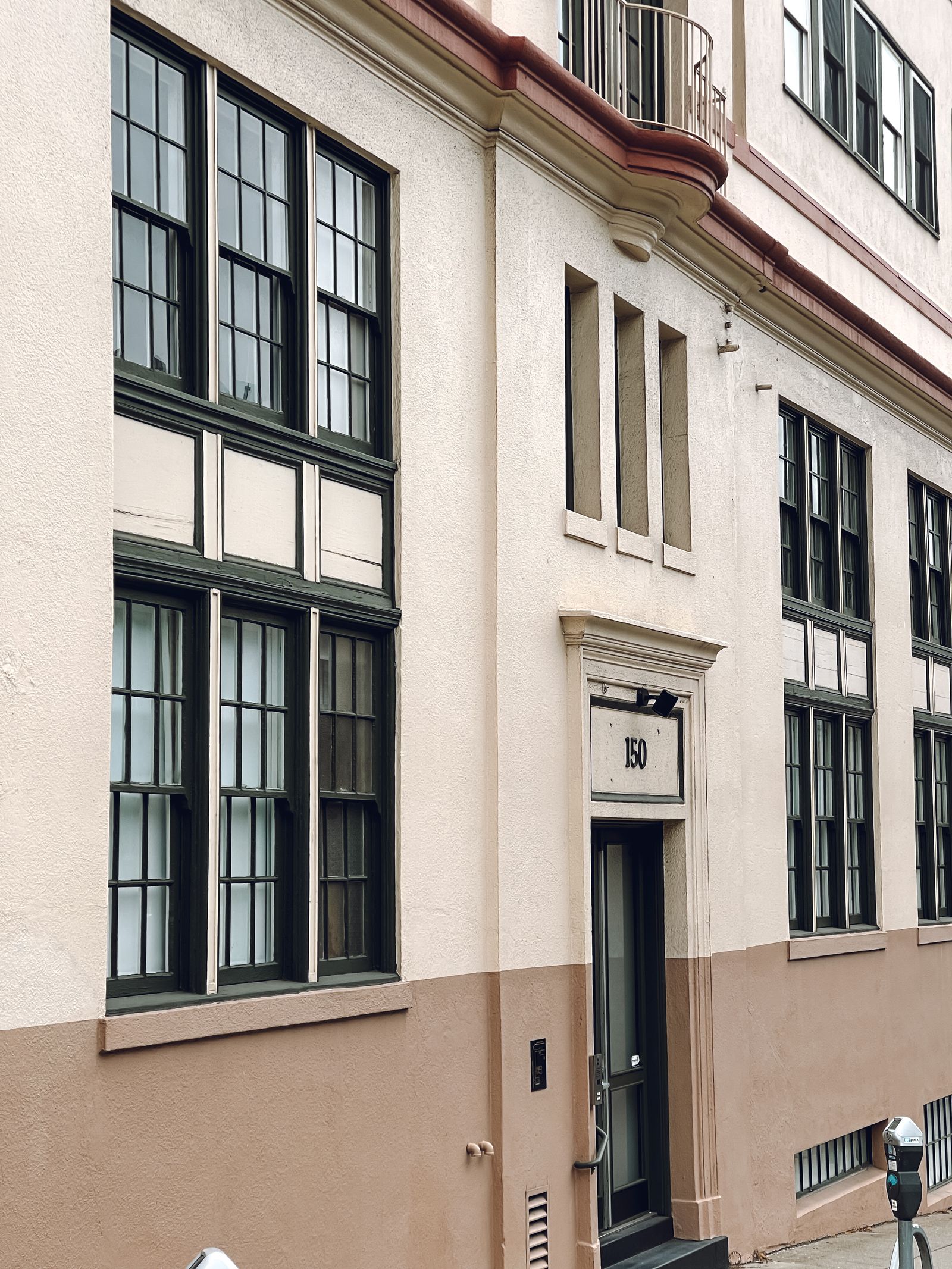
Columbia properties commonly combine brick, painted masonry, stucco, EIFS, precast concrete, metal panels, glass, tile, canopies, and older repaired areas. A dark streak beneath a roof edge may be algae, mildew, pollen, roof runoff, traffic film, irrigation minerals, oxidation, or a failed coating. Those conditions do not share one treatment. High pressure can scar softer materials, open joints, drive water behind a facade, or remove a coating while leaving the source of the discoloration unresolved.
A soft-wash process can be appropriate for compatible organic growth and surface film after the material and condition have been evaluated. It does not repair cracked masonry, failed sealants, leaking windows, spalled concrete, damaged coatings, or water intrusion. A test area gives the facilities team a realistic view of the expected change and separates cleaning from specialty work such as mineral removal, oxidation treatment, graffiti removal, glass detailing, or repairs. The written scope should name the included elevations and the conditions that may remain.
- Map brick, stucco, EIFS, concrete, glass, metal, tile, coatings, and repairs.
- Separate pollen, organic growth, traffic soil, minerals, oxidation, and damage.
- Use a test area on aged, coated, weathered, or visually sensitive surfaces.
- Define the intended finish and exclusions before a full elevation is scheduled.
Schedule around government, healthcare, education, and hospitality
Columbia's operating calendar can be as important as the wall condition. State government offices around the State House and Assembly Street may have controlled entrances, security screening, employee arrivals, public meetings, and limited staging space. Prisma Health and other medical properties need clear patient drop-offs, emergency routes, accessible paths, quiet coordination, and awareness of air intakes. University of South Carolina buildings may have class changes, residence-hall traffic, athletics, events, and pedestrian routes that shift by the hour. Hotels around the Vista, downtown, and stadium-related corridors may need work phased around guest arrivals, valet lanes, conference groups, outdoor seating, and event surges.
Office buildings along Harbison Boulevard and the BullStreet district, retail centers near Two Notch Road, and industrial or distribution sites near I-20, I-26, and I-77 add their own constraints. Before scheduling, we ask about tenant hours, deliveries, loading docks, security rules, fire lanes, shift changes, events, customer queues, and who can pause work if conditions change. A phased sequence can keep the primary entrance or shipping lane open while a side or rear elevation is cleaned. Barriers, signage, hose routing, wet-surface controls, and a documented handback belong in the plan.
Plan for Midlands heat, humidity, pollen, and storms
Columbia's hot summers, humidity, tree canopy, and spring pollen can leave film on ledges, window frames, signs, metal panels, canopies, and light-colored masonry. Shaded north-facing walls, parapets, covered walkways, and areas beside dense landscaping can stay damp long enough for recurring organic growth. Heat can change drying and dwell behavior, while pollen and dust can be redeposited on recently cleaned horizontal surfaces. A useful maintenance plan distinguishes biological growth from mineral deposits, oxidation, soot, roof runoff, and ordinary traffic soil.
Thunderstorms, lightning, gusts, heavy rain, and fast-moving fronts affect spray control, traction, dwell time, runoff, aerial feasibility, and the timing of a final inspection. The work plan should set weather limits, equipment-securement procedures, a pause process, and a rescheduling window. If a storm changes the water path or leaves a surface too wet to evaluate, the team should adjust the sequence instead of rushing the handback. Recurring service can prioritize high-visibility entrances, pollen-heavy spring conditions, shaded elevations, or pre-event presentation based on the property's needs.
Use aerial assistance only where the Columbia site supports it
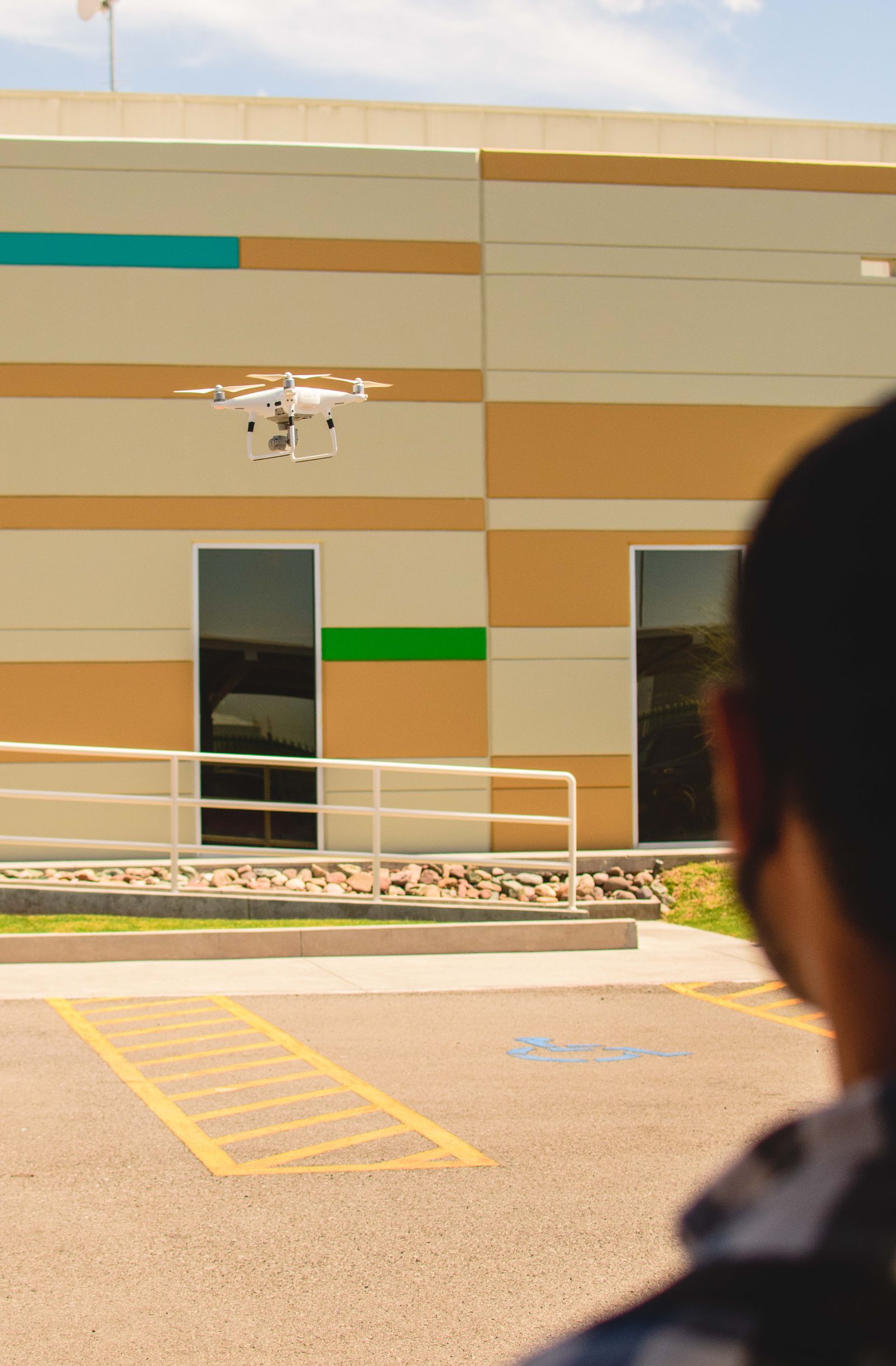
Drone-assisted application or rinsing may support selected broad upper wall fields when the property offers suitable launch and recovery space, line of sight, stand-off distance, weather, airspace, and public separation. It is not the right method for every elevation. Power lines, mature trees, rooftop equipment, balconies, ornate cornices, adjacent buildings, busy sidewalks, and delicate window details can make one zone unsuitable even when a large wall field is workable. Entrances, frames, ledges, canopies, bonded residue, and fine details may still need contact equipment or hand work.
Columbia's state-government core, hospitals, university activity, airport approaches, stadium events, and industrial corridors can all affect an aerial plan. Commercial operators must follow applicable Federal Aviation Administration requirements and obtain any authorization required for the address and date. A quote should identify proposed aerial elevations, spotters, communications, public controls, emergency-stop procedures, weather limits, and the alternate method if conditions change. A hybrid plan may use aerial assistance on suitable upper walls and controlled contact cleaning where precision, recovery, inspection, or finish protection matters more.
Control water, drainage, landscaping, and public movement
Columbia sites may have sloped lots, curb inlets, landscaped medians, irrigation heads, loading docks, basement entries, sidewalk cross-slopes, parking decks, and stormwater features close to the building. Rinse water and removed soil can move from an upper wall toward a storefront, neighboring tenant, vehicle lane, planted bed, accessible route, or drain. Before work begins, map doors, cameras, air intakes, vehicles, landscaping, low points, storm drains, hose crossings, and areas where guests, students, patients, or customers queue. Confirm the water source and the person authorized to stop work if flow or pedestrian movement changes.
The appropriate controls depend on the products used, soil removed, rinse volume, slope, drainage, nearby waterways, and property requirements. They may include plant protection, diversion, collection, recovery, reduced-rinse techniques, filtration, or coordination with the responsible authority. A visible inlet is not automatic permission to discharge wash water. Closeout should leave paths usable, identify cleaned elevations, document remaining deposits or repairs, and note weather or access changes that affected the work.
- Locate drains, low points, landscaping, air intakes, entrances, and public routes.
- Confirm water access, hose paths, barriers, irrigation status, and emergency access.
- State runoff controls and the stop condition if water moves differently than planned.
- Record cleaned zones, remaining residue, damage, deferred work, and weather changes.
Request a Columbia scope that facilities teams can use
A useful proposal should identify service zones, materials, visible conditions, method by elevation, access approach, water assumptions, weather limits, occupied-site controls, intended finish, exclusions, and closeout documentation. Broad facade washing should be separated from high-detail glass, construction film, oxidation, mineral removal, canopy detailing, graffiti, coating work, and masonry repairs. If aerial assistance is proposed, the scope should say where it is expected to help and what backup method applies if wind, airspace, public activity, access, or finish requirements change.
Send the Columbia property address, wide and close photos, approximate height, priority elevations, known materials, desired result, preferred work windows, water access, drainage concerns, and restrictions related to patients, guests, students, tenants, employees, deliveries, events, or security. Those details help determine whether a remote review, site visit, test area, or hybrid plan should come next. Call +1 239-351-2897, email contact@dronebuildingcleaners.com, or use the quote form to get in touch.