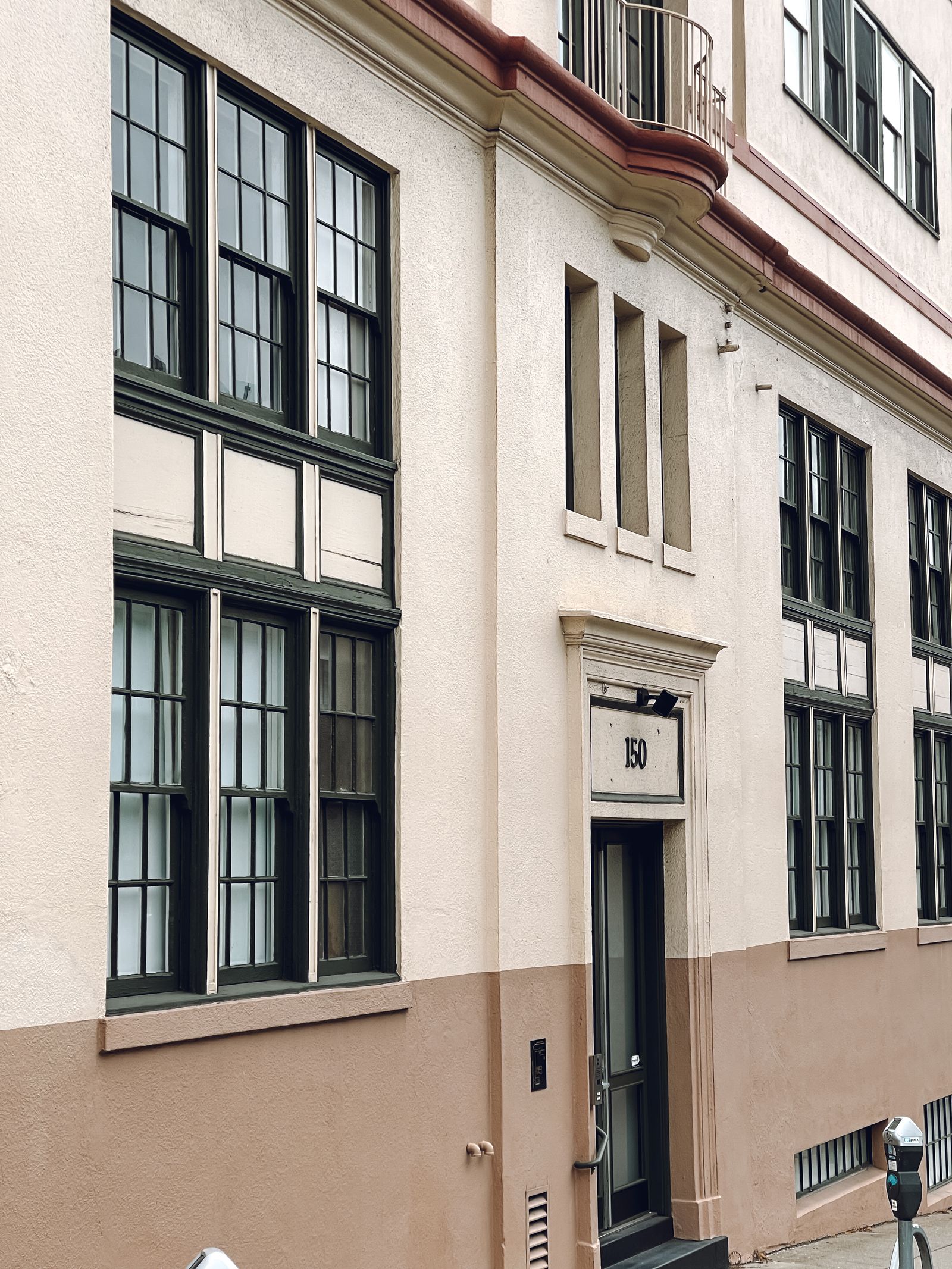
Soft washing focuses on compatible soil and controlled treatment
Soft washing generally combines a compatible cleaning solution, controlled dwell time, and a measured rinse to address organic growth and atmospheric film on tested surfaces. The objective is not to strike the building with maximum water impact. That can fit portions of a Columbia exterior where algae, mildew, pollen film, or shaded biological growth is the main issue and where the material, surrounding landscaping, weather, and water-management plan support the method.
Soft washing is not a promise that every mark disappears. Mineral scale, oxidation, rust, old paint, embedded soot, failed sealant, coating failure, and damaged masonry may need specialty work or repair and may remain after cleaning. A test area clarifies the likely finish before a large elevation is scheduled. It also gives a property manager a concrete way to compare cleaning with a separate restoration or repair scope.
Pressure washing has a place on suitable durable surfaces
Pressure washing uses water impact to remove compatible loose soil from materials that can tolerate the selected pressure, nozzle, distance, flow, and technique. It may fit some concrete walks, loading areas, curbs, and other durable hardscape when the operator can control splash, traffic, and runoff. It is not automatically appropriate for older mortar, fragile coatings, EIFS, weathered wood, window seals, decorative trim, or areas where water may enter behind the facade.
More pressure does not automatically produce a better commercial result. It can etch concrete, create striping, damage joints, remove coatings, drive water into openings, or scatter soil toward an entrance while leaving biological staining at its source. On an occupied Columbia site, the comparison must include noise, overspray, pedestrian separation, vehicles, landscaping, door thresholds, air intakes, and the route to a drain. A method should be judged as a complete process, not by a pressure number alone.
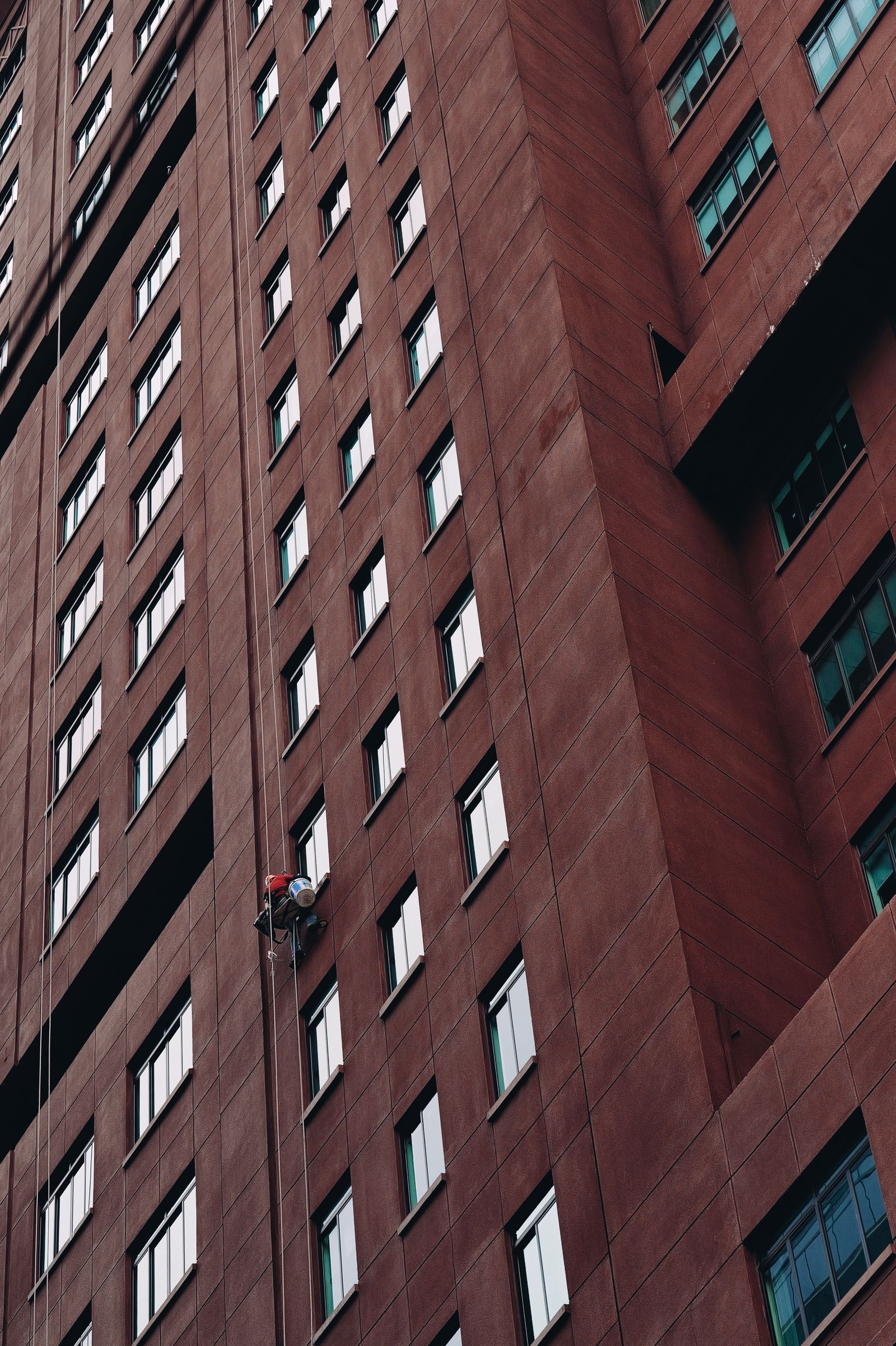
Match the method to Columbia's materials and business mix
Buildings around the Vista and Main Street may combine historic or architectural brick, glass, painted trim, awnings, and tight pedestrian routes. State offices bring security and public-access controls. Medical campuses need attention to patient movement, emergency access, and ventilation. University facilities may have class changes, residence halls, athletic events, and large pedestrian surges. Hotels near downtown and Williams-Brice Stadium can move from quiet to crowded quickly. Harbison retail and industrial corridors around I-20, I-26, and I-77 add signs, canopies, truck courts, loading zones, and shift schedules.
The same green mark can mean different things on different elevations. A shaded wall beside landscaping may need an organic-growth evaluation, while a sunny metal panel may show oxidation or airborne film. A concrete loading area may accept controlled pressure while adjacent EIFS requires a gentler process. The proposal should state the method by surface and elevation, including areas assigned to contact tools, water-fed equipment, lift access, or aerial assistance.
Account for heat, humidity, pollen, and storm timing
Columbia's heat and humidity can change how quickly a solution dries and how long a surface remains wet. Spring pollen can settle on ledges, glass, signs, and horizontal surfaces shortly after cleaning. Summer storms can leave splash lines and move soil toward low points. A north-facing wall under trees may support recurring growth, while a sun-exposed wall may show dust, oxidation, or roof runoff. The cleaning method and sequence should account for those differences rather than applying one recipe everywhere.
Lightning, gusts, heavy rain, and changing fronts can affect a safe rinse, aerial equipment, traction, public separation, and the ability to evaluate the finish. A responsible schedule includes weather limits, an equipment-securement process, a pause trigger, and time for a final inspection. If weather changes drainage or makes the intended finish difficult to assess, postponing one elevation can be better than creating a rushed or misleading handback.
Compare access, aerial feasibility, and public protection
Aerial assistance may support broad upper wall fields when launch space, recovery space, line of sight, stand-off distance, wind, airspace, and ground controls are suitable. It does not eliminate the need for contact work everywhere. Wires, trees, balconies, roof equipment, recessed details, window frames, ledges, ornate trim, and delicate finishes may require a lift, water-fed tools, or hand work. A hybrid plan can assign each elevation the least disruptive suitable method.
Columbia's airport approaches, hospital operations, government core, campus activity, and event traffic can affect a drone plan. Commercial drone work must follow applicable Federal Aviation Administration requirements and any authorization needed for the address and date. The site plan should include spotters, communications, emergency-stop procedures, public barriers, weather limits, and an alternate method. Those controls are part of method selection, not an afterthought once equipment arrives.
Compare water management and disruption before approving a scope
Both methods create water-management questions. Columbia properties may slope toward curb inlets, planted beds, storefronts, loading docks, parking decks, and accessible routes. Before work, map drains, low points, doors, air intakes, irrigation, vehicles, and pedestrian paths. Depending on the products, soil, rinse volume, slope, drainage, and property rules, controls may include protection, diversion, collection, recovery, filtration, or reduced-rinse techniques. A visible storm drain is not automatic authorization to discharge wash water.
The schedule should match the property's operations. A hospital may need a quiet phased sequence, a government office may need secure morning access, a hotel may need work before arrivals, a campus may need a break between classes, and a manufacturer may require coordination with truck courts and shifts. Ask for the proposed test area, method by elevation, weather limits, water assumptions, public controls, drainage plan, intended finish, exclusions, and closeout standard before comparing prices.
Use the comparison to request a property-specific Columbia quote
Start with the address, photos, approximate height, materials, priority elevations, visible soil, desired result, operating hours, water source, drainage concerns, and restrictions involving patients, guests, students, tenants, employees, deliveries, events, or security. A remote review, site visit, or test area may be appropriate depending on the building. The quote should distinguish facade washing from glass detailing, mineral removal, oxidation treatment, construction film, graffiti, coatings, and repairs.
If aerial assistance is proposed, ask which elevations it covers, how the area will be controlled, what weather limits apply, and what backup method is available for details or changing conditions. Drone Building Cleaners can help evaluate the practical fit instead of assuming soft washing or pressure washing is correct for the entire property. Call +1 239-351-2897 or email contact@dronebuildingcleaners.com to get in touch and request a Columbia quote.